









 Twitter
 Facebook
 LinkedIn
 Flickr
Pollen makes some people sneeze, but it is very important. Almost 80% of plants worldwide require pollen. Believe it or not, one of every three bites of food we eat comes from a plant that has been pollinated when pollen moves from one flower to another, starting fruit or seed formation. Pollen is a fine, powdery substance, typically yellow, made of microscopic grains discharged from the male part of a flower (the stamen) or a male cone. Each pollen grain contains a male gamete that can fertilize the female ovule, and it is transported by the wind, insects, or other animals.
Activity 1 – Pollen and the Food Chain
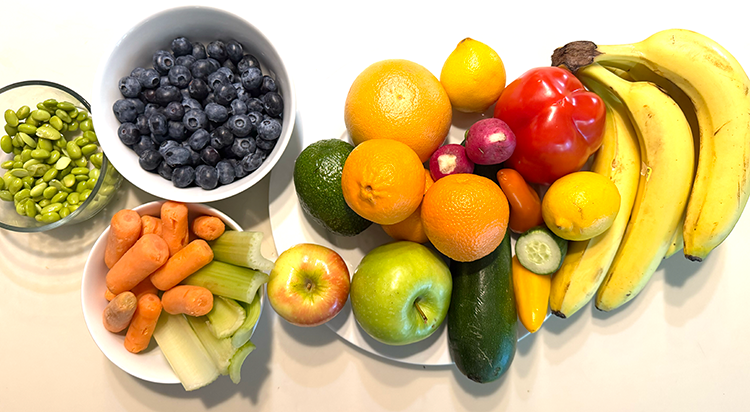
In the food chain, birds and other small mammals depend on fruits and seeds to survive. These plants produce heavier, stickier pollen that clings to pollinators such as bees, butterflies, bats, and birds. Pollinators then spread the powder to other plants, flowers, and seeds. All the fruits and vegetables we eat depend on pollination to grow. In fact, 1/3 of the fruits and vegetables we eat need pollination. Pollination is important to people, plants, animals, and life on Earth!
Activity 2 – Yellow Powder
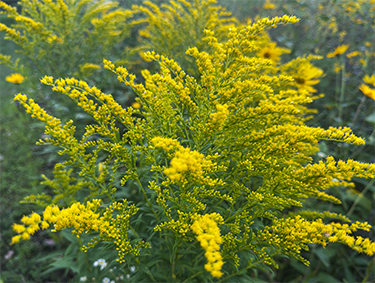
The yellow pollen is a goldmine for pollinating birds, bees, butterflies, and dragonflies. Native plants grown across rural and urban landscapes can create new pollinator habitats or enhance existing ones. Are there pollinator gardens on your block? The Audubon Society shares pollinator plants by state. Research which plants pollinate in your biome. The Xerces plant lists key flowering plants that provide pollinators with nectar and pollen. It also highlights host plants for butterfly and moth caterpillars. Plants recommended provide nest sites or nesting materials for above-ground nesting bees and support specialist bees that require pollen from specific plants. Support pollinators by creating flower-rich habitats, providing places for nesting and egg-laying, eliminating the use of pesticides in green spaces, and spreading awareness of the importance of pollinator plants in the food chain.
Pollin is powerful!
Activity 3 – Spring, Summer, and Fall Pollination
Early spring bloomers such as Serviceberry bushes, Maple trees, and willows spread pollen. As spring turns into summer, perennials such as coneflowers (Echinacea), milkweed, Joe Pye weed, and bee balm produce pollen. Fall blooms like goldenrod and asters share pollen. Herbs like Rosemary, Basil, and Thyme also share pollen with other pollinators, fertilizing other plants.
Review
Explore
Relate





All contents copyright © NEXT.cc. All rights reserved. Terms of Use